
Salesforce CEO Says Goodbye SEO, Salesforce's Own Guide Disagrees
Marc Benioff posted 'Goodbye SEO' to promote an AI visibility tool, yet Salesforce's own guide calls SEO 'still the foundation.' The mixed message is useful for any marketer deciding where to spend budget.
Rajesh Kumar · 22 Nov 2026 · 3 min read
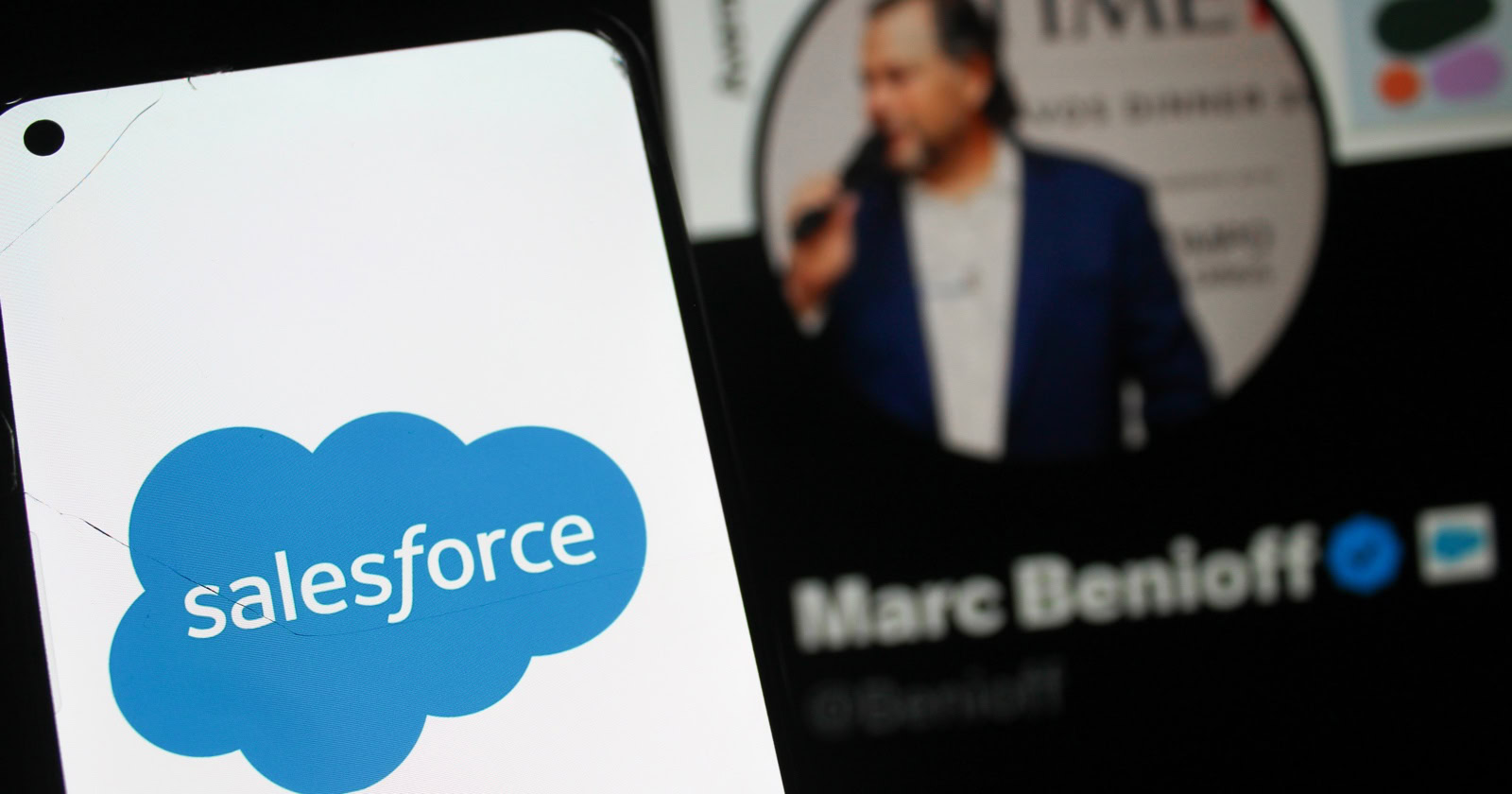
- Marc Benioff posted 'Goodbye SEO' on Nov. 18 to promote Palmata, an AI visibility tracking tool.
- Salesforce's own Sept. 11 guide says SEO 'is still the foundation' and recommends SEO and AEO together.
- SEO specialists including Aleyda Solis, Pedro Dias and Lily Ray pushed back on the claim.
- Monitoring AI answers is not the same as improving visibility or business results.
- Track both organic metrics and AI citations rather than abandoning SEO.
What happened
On Nov. 18, Salesforce CEO Marc Benioff posted "Goodbye SEO" on X. The post promoted Palmata, a tool that tracks how visible a company is inside AI answers. Benioff argued that customers "aren't searching anymore" and are instead asking assistants such as Claude, ChatGPT and Gemini which brands to buy. His warning: "No click. No referral. Nothing in your analytics."
Palmata, according to the post, monitors what AI assistants say about a business, recommends changes, and simulates the effect of those changes before anything is published.
The awkward part is that Salesforce's own content says something different. A Salesforce guide to SEO and AEO (answer engine optimization), published Sept. 11 and written by SEO Senior Director Graham Hardt, states that SEO "isn't going away" and "is still the foundation." Palmata's own FAQ links to that guide. Even the June launch article for Palmata, from Contentful before Salesforce acquired it on Sept. 1, called SEO work "essential."
How SEO professionals reacted
According to Search Engine Journal's report, several SEO specialists pushed back publicly.
Aleyda Solis said AI search relies on many of the same fundamentals as SEO. It goes beyond traditional SEO, she wrote, but does not replace it. She also drew a useful line: monitoring what AI platforms say about your brand is very different from improving your visibility and business outcomes.
Pedro Dias noted that SEO "isn't traffic" and never has been. Lily Ray said the AI visibility tool market was already oversaturated. Eli Schwartz made a similar point about yet another AEO tool arriving.
Why this matters
This is a product pitch wrapped in a headline. "Goodbye SEO" gets attention, but the company's own documentation tells marketers to run SEO and AEO side by side, describing them as two visibility layers for the same audience.
The real issue Benioff raises is measurement. If an AI assistant recommends your brand and nobody clicks, your analytics show nothing. That gap is genuine, and it is why AI visibility tracking is becoming its own tool category.
But tracking is not the same as winning. A dashboard showing what ChatGPT says about you does not change what ChatGPT says about you. The work that does is still largely familiar: clear content, accurate product information, strong site structure and credible mentions elsewhere.
For ecommerce owners, the stakes are practical. Product discovery is spreading across Google, AI answers and social platforms. Dropping the channel that still feeds all of them would be a costly misreading of the headline.
What to do now
Keep your SEO foundation. Crawlable pages, useful content, clean product data and solid internal linking are what Salesforce's own guide calls the base layer.
Track both sets of metrics. The guide advises watching organic traffic and rankings alongside how often AI platforms cite you. Add a simple monthly check of how major assistants describe your brand and products.
Separate monitoring from improvement. Before paying for any AI visibility tool, ask what it actually helps you change, and how you will tie results to revenue or leads.
Don't rely on clicks alone. If AI answers influence buying without sending traffic, look at branded search growth, direct visits and customer survey answers such as "How did you hear about us?"
Be sceptical of tool-driven urgency. The SEO voices quoted here suggest this tool space is crowded. Test with free checks first, then decide whether a paid platform earns its place.
The bottom line
AI assistants are changing how people shortlist brands, and measurement is catching up. But the same company announcing the end of SEO also tells new businesses it remains the foundation. Treat SEO and AI visibility as one connected strategy, not a replacement cycle.
Raj's takeAfter 27 years in this game, I've seen 'SEO is dead' announced more times than I can count, usually right before someone launches a product. The measurement gap in AI answers is real, but the fix is better foundations plus sensible tracking, not dropping the channel that feeds every discovery surface.
Want this applied to your business?
Related
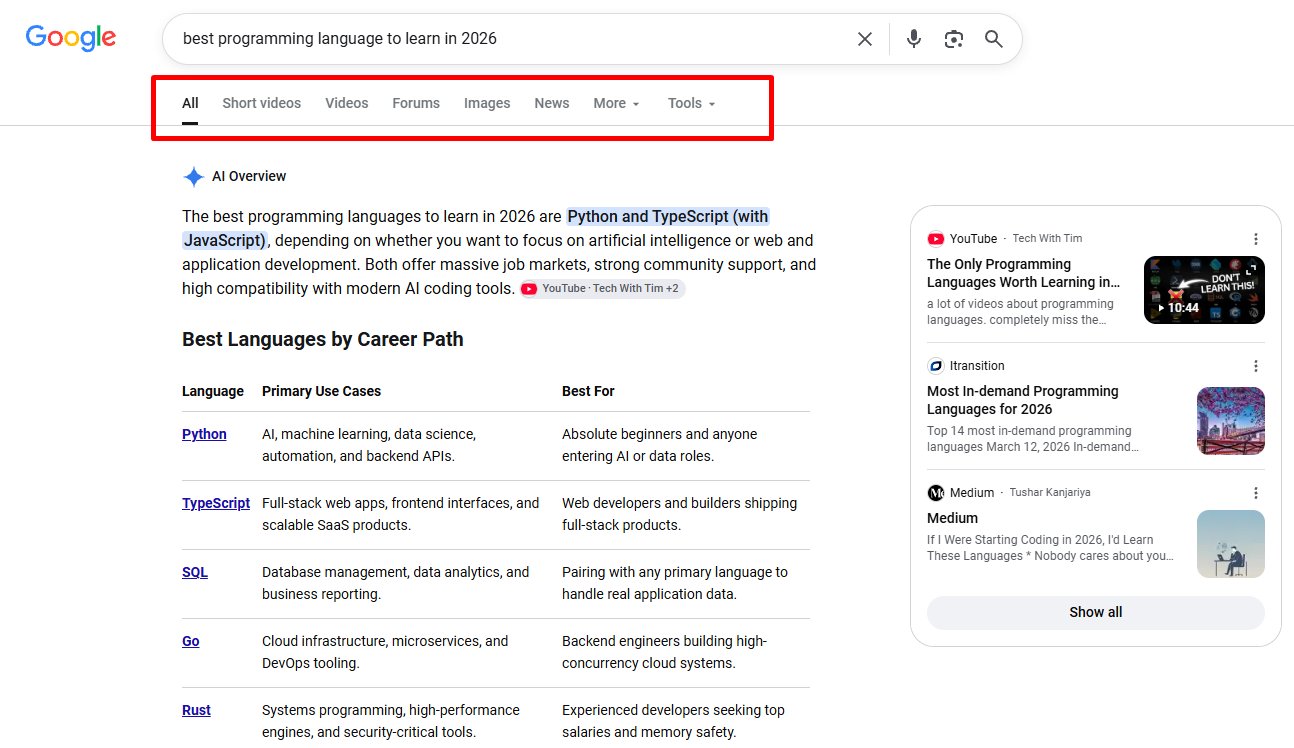
Google Tests Removing AI Mode Tab and 'Ask Anything' Box
Google is reportedly testing a Search results page with no AI Mode tab and no 'Ask anything' follow-up box in AI Overviews. It may be a routine experiment, but it hints at how Google is rethinking AI inside Search.

Core Update, ChatGPT Business Hub and Gemini 4 Hydrogen: What to Do
Google's November core update, a new default AI Mode model and OpenAI's Business Hub beta all landed in the same week. Here is how to read the data without fooling yourself.

GEO Isn't a Distraction: Referral Data Misses AI's Influence
Referral data shows AI sends under 1% of Google's traffic, and some say GEO is a wasted investment. A Search Engine Journal analysis argues the click-based view misses where AI shapes buying decisions.