
Core Update, ChatGPT Business Hub and Gemini 4 Hydrogen: What to Do
Google's November core update, a new default AI Mode model and OpenAI's Business Hub beta all landed in the same week. Here is how to read the data without fooling yourself.
Rajesh Kumar · 15 Nov 2026 · 3 min read

- Google's November 2026 core update began Nov. 10 and may take up to two weeks to complete.
- Gemini 4 Hydrogen became AI Mode's default on Nov. 12, so citation changes may come from the model switch, the core update, or both.
- Retailers comparing the post-rollout week to the prior week will be comparing against Thanksgiving, Black Friday and Cyber Monday traffic.
- ChatGPT Business Hub shows mentions and clicks for 28 days, but recorded clicks are not confirmed visits.
- Ziff Davis and Tripadvisor are planning around weaker free search traffic and higher paid marketing.
What happened
Three things changed at once, and they overlap in ways that make reporting messy.
Google began rolling out its November 2026 core update on Nov. 10. It is the third Search core update of the year, applies globally to all languages, and can take up to two weeks to finish. As of Nov. 12 it was still rolling out.
Two days later in the timeline, on Nov. 12, Google made Gemini 4 Hydrogen the default model in AI Mode. It is also being used for some of the harder AI Overview questions. Google says it has better query fan-out and connects users to a broader range of helpful links. No link numbers were given.
On Nov. 10, OpenAI also opened Business Hub in beta. Eligible businesses can claim a ChatGPT profile and, after identity verification, see mentions, website clicks and discovery topics for the past 28 days. This is according to a roundup from Search Engine Journal.
Why it matters
Your traffic data is now contaminated by two events. A core update and a model change within 48 hours means any movement in citations or referrals could come from either one. If you do not log both dates, you will not be able to separate them later.
Retailers face a bad comparison. Google suggests waiting a full week after the rollout finishes, then comparing that week with the week before the rollout began. If the rollout ends around the two-week mark, that comparison week includes Thanksgiving, Black Friday and Cyber Monday. You would be comparing holiday traffic with a normal week. That tells you very little about the update.
Business Hub numbers are useful but not final. A recorded click is not a confirmed visit. A mention for an online business counts when ChatGPT references the website, not just the brand name. A blank metric does not always mean zero activity, and claiming your profile does not guarantee more visibility. SEJ's own submission showed 353,356 mentions and 2,663 clicks over 28 days. That is a big gap between being mentioned and being clicked.
Big publishers are planning for less search traffic. Ziff Davis's CEO said the company is not planning on a search recovery, with organic Google referrals down about 37% year over year in the quarter. Tripadvisor's CFO said SEO will still be a headwind in 2027, and marketing rose to 48.8% of revenue from 43.3%, tied to a shift from free to paid channels.
One caution: Ziff Davis's comparison of AI impressions to clicks is not an AI click-through rate, because Search Console counts AI feature clicks inside the overall total.
Practical actions
- Keep a change log. Record Nov. 10 (core update start), Nov. 12 (Hydrogen default) and the date the rollout completes. Annotate your analytics and rank tracking.
- Wait before judging. Do not rewrite pages based on early-week rank swings while the update is still rolling out.
- Adjust the retail comparison. Compare against the same period last year or use a year-over-year view, and keep a separate view for paid and email traffic during the holiday weeks.
- Claim your Business Hub profile if eligible. Put its 28-day mentions and clicks next to your analytics referrals from ChatGPT. Expect the numbers not to match perfectly.
- Track AI citations separately. Watch whether your pages appear in AI Mode and AI Overviews before and after Nov. 12 to test Google's broader-links claim yourself.
- Review crawler settings. Cloudflare says AI Crawl Control is available on every plan, so you can allow or block individual crawlers. Cloudflare's CEO said OpenAI pays for crawl hints, but there was no discussion of sharing revenue with site owners. Decide on policy deliberately.
- Label every metric. Note which platform defined each number in your reports. Mentions, impressions and clicks mean different things on each platform.
The bigger picture
The theme this week is that platforms are counting on their own terms. Treat their dashboards as directional evidence, not as a verdict. Your own analytics, conversions and revenue remain the numbers that decide whether a channel is working.
Raj's takeAfter 27 years in this game, the lesson is the same: don't react to the first week of any dashboard. Log your dates, compare against your own analytics, and be careful with holiday-season comparisons. Business Hub is a welcome step toward AI visibility reporting, but I would treat it as one input, not proof of performance.
Want this applied to your business?
Related
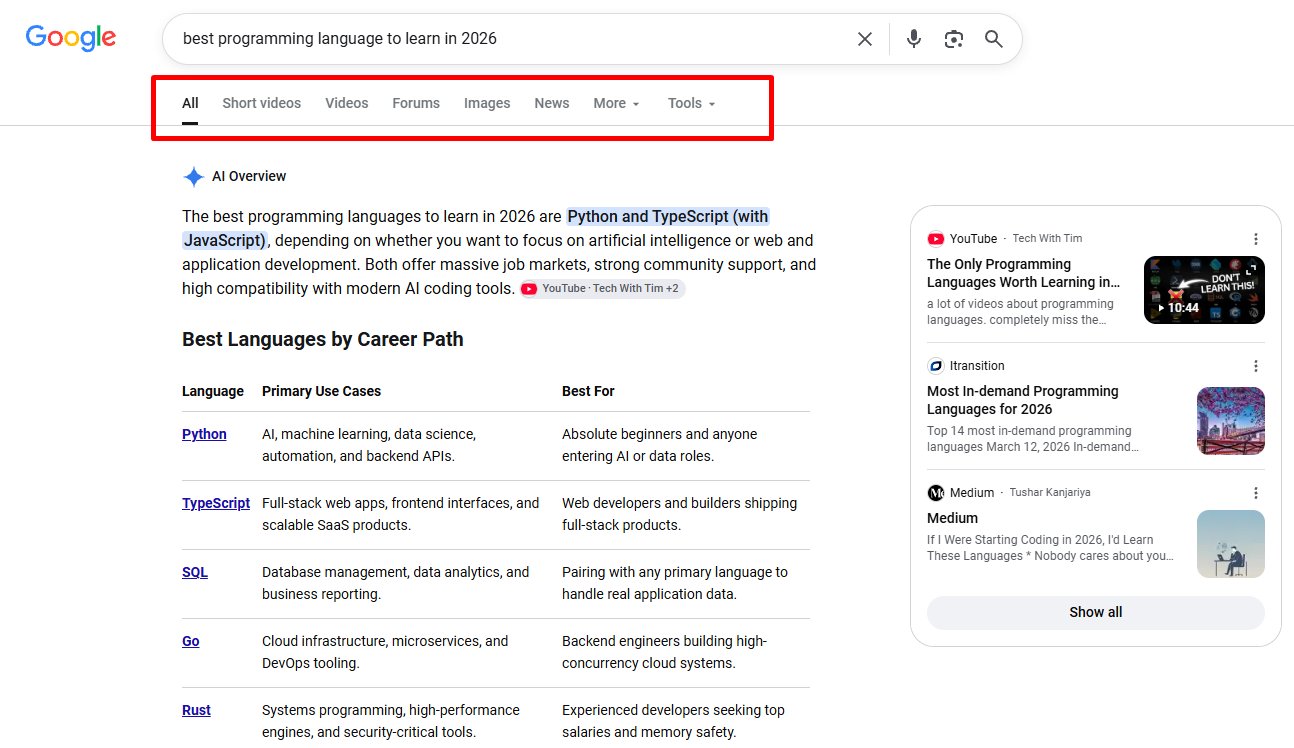
Google Tests Removing AI Mode Tab and 'Ask Anything' Box
Google is reportedly testing a Search results page with no AI Mode tab and no 'Ask anything' follow-up box in AI Overviews. It may be a routine experiment, but it hints at how Google is rethinking AI inside Search.

GEO Isn't a Distraction: Referral Data Misses AI's Influence
Referral data shows AI sends under 1% of Google's traffic, and some say GEO is a wasted investment. A Search Engine Journal analysis argues the click-based view misses where AI shapes buying decisions.

Google Queries Hit a 5-Year High, But Search Revenue Slowed
Alphabet reported its fastest query growth in five years while search revenue growth slowed to 12%. Google itself named AI Mode's lower monetization as a cause, and that matters for anyone depending on Google traffic.