
Alexa for Shopping Hits 400M Users: What Sellers Must Do Now
Amazon says over 400 million customers used Alexa for Shopping in the past 12 months, and those users spend 50% more. For brands, the AI shopping assistant is becoming a new storefront layer inside a walled garden.
Rajesh Kumar · 3 Nov 2026 · 3 min read

- More than 400 million customers used Alexa for Shopping in the last 12 months, up from 350 million at the end of July.
- Amazon says users spend 50% more than non-users, but that figure shows correlation, not proven cause.
- Amazon added 100+ capabilities, including gift lists, registries and Subscribe and Save management.
- Amazon still blocks outside agents like ChatGPT and Meta's Muse, though Jassy hinted at future cooperation.
- Sellers should optimize listings for conversational queries while building AI visibility on their own sites.
What happened
On its third-quarter earnings call, Amazon said more than 400 million customers have used Alexa for Shopping in the last 12 months. That is up from 350 million at the end of July. CEO Andy Jassy also said customers who use the assistant spend 50% more than those who don't.
Alexa for Shopping is the conversational AI assistant that launched publicly as Rufus in February 2024. Amazon rebranded it in May to borrow the familiar Alexa name. Amazon also announced more than 100 new capabilities ahead of the holidays. Shoppers can now create and edit gift lists and registries with prompts like "show me what's left on my wedding registry." They can also manage Subscribe and Save, including pausing or canceling some subscriptions.
The report from Digiday adds useful context. Total net sales were $201.9 billion, up 12%, driven largely by AWS, which grew 39%. Online Stores revenue grew just 2%. Third-party seller services grew 9% and advertising 11%, both slower than the prior comparison period. Much of that slowdown is explained by Prime Day moving to the end of June, which shifted its sales into the second quarter.
Why it matters
Two things stand out.
First, Amazon is treating AI shopping as a growth lever in a maturing business. When core e-commerce growth is harder to find, an assistant that nudges shoppers toward more purchases is valuable. Note the caveat: "spend 50% more" is a correlation. Heavier shoppers may simply be more likely to use the tool. Amazon did not say the assistant causes the extra spending.
Second, Amazon is keeping this inside its own walls. It has blocked outside agents such as ChatGPT and Meta's Muse shopping agent from scraping its site. Jassy hinted that could change and said Amazon anticipates working with horizontal agents. But he was clear that Alexa for Shopping should be "the primary shopping agent customers use to shop Amazon."
For sellers, that means product discovery on Amazon is increasingly a conversation, not just a search box and a results page. And for now, your Amazon catalog is largely invisible to ChatGPT-style shopping agents.
What to do about it
I would not overreact, but I would adjust.
1. Write listings for questions, not just keywords. Shoppers talking to an assistant ask things like which product suits a use case, size, budget or recipient. Make sure your titles, bullets, A+ content and Q&A answer those questions in plain language. This is my inference about how conversational discovery works, not something Amazon has detailed.
2. Clean up your product data. Accurate attributes, consistent variants, clear compatibility details and strong reviews give any AI system better material to work with. Thin or contradictory listings are the first to suffer.
3. Look at gifting and replenishment. Registries, gift lists and Subscribe and Save are now easier to manage through the assistant. If you sell consumables or giftable items, check that your products are set up for these programs and priced sensibly for subscription.
4. Watch your ad efficiency. Amazon advertising growth slowed, partly because of Prime Day timing. Don't assume the AI layer will lower your costs. Track conversion rate and ACoS through the holidays and compare against last year, keeping the Prime Day shift in mind.
5. Don't put everything inside Amazon. Because Amazon blocks outside agents, your own website is where visibility in ChatGPT, Gemini and Perplexity is still earned. Keep structured product data, helpful category content and reviews on your own domain. That protects you if Amazon opens up, and it helps if it doesn't.
The bottom line
Alexa for Shopping is turning into a primary route to purchase on the world's biggest marketplace. Brands that sell on Amazon need listings built for conversation. Brands that want AI-search visibility beyond Amazon still need a strong site of their own.
Raj's takeAmazon is doing what it always does: owning the customer relationship and keeping the data in-house. The 50% spending stat is flattering but not proof of causation, so I'd treat it as direction, not a promise. If you sell on Amazon, fix your listing data now; if you want to be found in ChatGPT or Gemini, your own website matters more than ever.
Want this applied to your business?
Related

AI Shopping Visibility: Fix Your Product Data First
A Search Engine Journal webinar recap shows AI shopping tools need product data that bots can retrieve, shoppers' language, and feeds that match pages. Here is what ecommerce teams can do now.

Three AI Models, Same 20 Products, Three Different Winners
A test of three Claude models shopping Shopify's catalog found they never agreed on a top pick. For merchants, which store wins an AI-driven order may depend on the model the shopper's agent runs on.
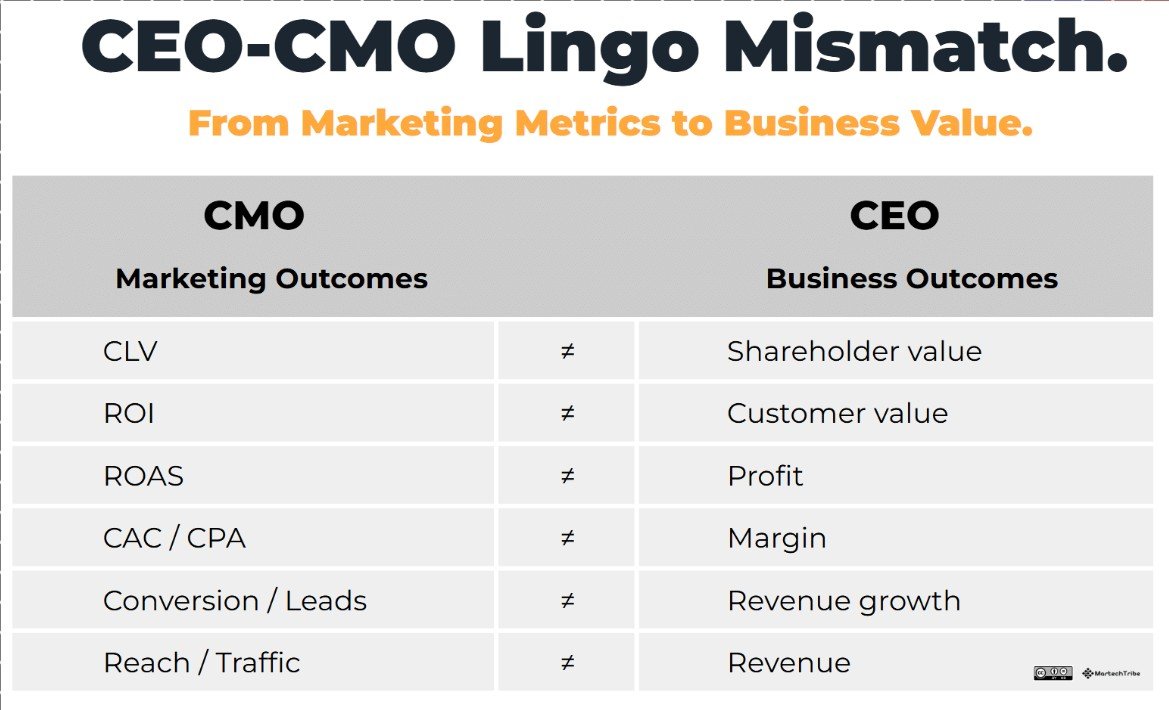
Your CEO Wants Profit Answers, Not Dashboard Metrics
MarTech highlights a familiar gap: dashboards report what happened in a campaign, while leadership wants to know how customer behavior drives growth, margin and profit. Here is how to close that gap.