
When a model collaborates with a new photographer, the most important elements are preparation, clear agreements, and simple, flattering images that highlight her range. A well-planned session not only builds confidence but also produces portfolio-ready photographs both sides can proudly showcase.
Before the Shoot: Plan It Like a Mini Project
A good portfolio starts long before the camera turns on.
Encourage the model to define her goals clearly—whether she wants commercial, fashion, social media, or acting-oriented images.
Ask her to create a small moodboard with 5–10 reference images covering:

- Poses
- Outfits
- Lighting styles
- Expressions and mood
Sharing this with the photographer ensures both are visually aligned.
A quick call or meeting helps finalize key details:
- Concept and themes
- Studio vs outdoor locations
- Number of looks
- Who manages outfits, hair, and makeup
- Approximate timeline for edited photos
This early clarity saves time and removes confusion later.
Clear Agreements & Safety First
For professional collaborations, even TFP (Time for Prints) shoots should have a simple written agreement.
A basic model release / TFP agreement should mention:
- Usage rights (portfolio, social media, commercial or non-commercial)
- Number of final retouched images per look
- Delivery timeline
This ensures both the model and photographer know exactly what to expect.
Safety is equally important. Encourage the model to check the photographer’s past work, social profiles, and references. If it’s the first collaboration, bringing a friend or chaperone can help her feel more comfortable.

Outfits, Hair, & Makeup: Keep It Simple, Keep It Sharp
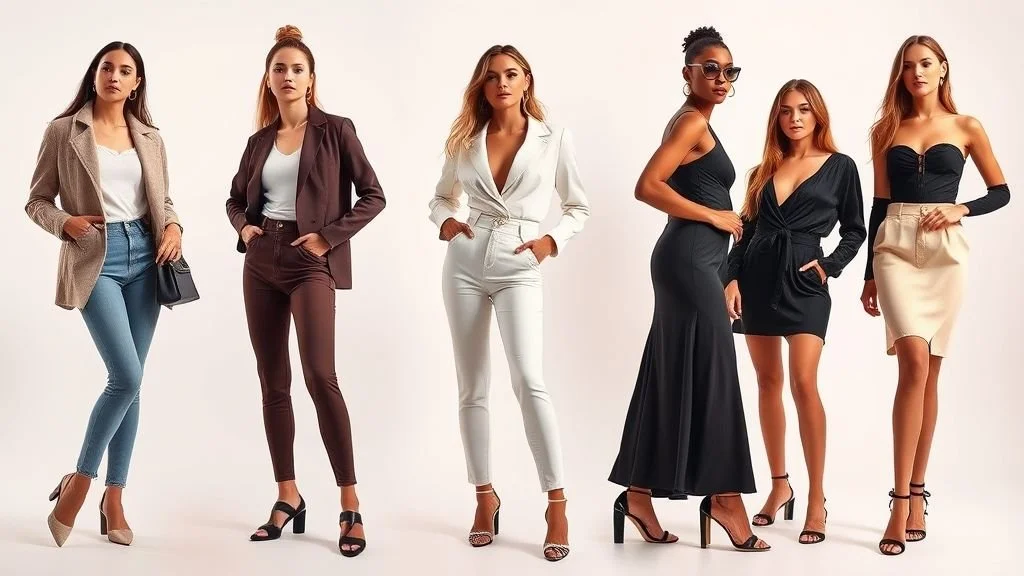
A model’s portfolio should display versatility without overwhelming the viewer. Recommend 3–4 clean looks based on her goals:
- Basic fitted outfit (jeans + white/black tee)
- A dressy/fashion-forward look
- A strong “hero” outfit (gown, ethnic wear, or something bold)
- Minimal accessories and clean shoes
Avoid heavy logos, neon colors, and busy prints—they distract from the model.
Makeup should enhance, not hide. At least one set of digitals/polaroids is essential:
- Plain backdrop
- Natural light
- Minimal makeup
- Zero or minimal retouching
Clients and agencies want to see a model’s real face, not just glam shots.
Posing & Working On Set
Preparation makes posing easier. Suggest practicing at home:
- Front, ¾, and profile angles
- Sitting and standing poses
- Walking shots
- Expressions: smiling, serious, soft, editorial
Focus on relaxed facial expressions, natural “smize,” soft hands, and keeping arms slightly away from the body to avoid flatness.
During the shoot, the photographer should guide her. It’s completely fine for the model to request a quick peek at the camera to adjust posture, expression, or hair.

After the Shoot: Choose Smart, Not More
A strong portfolio doesn’t require hundreds of pictures. A practical guideline:
10–20 strong, diverse images are better than 100 similar ones.
Include:
- Headshots
- Half-body and full-body
- Smiling and serious expressions
- Casual, classic, and one or two editorial looks
On social media, the model should credit everyone involved—photographer, makeup artist, stylist. Avoid adding heavy filters or extra retouching to maintain professionalism and consistency.

Final Thoughts

Building a great portfolio with a new photographer is easy when both sides prepare, communicate, and trust the creative process. With the right planning and a few practical steps, the results can elevate a model’s profile—and strengthen the photographer’s portfolio too.