
Lincoln Ambrotype Returns Home: Lessons in Provenance
A museum has acquired a rare original ambrotype of Abraham Lincoln, made in 1858 in the same city where the museum sits. For marketers and photographers, the story is a case study in provenance, local relevance and authenticity.
Rajesh Kumar · 22 Oct 2026 · 3 min read
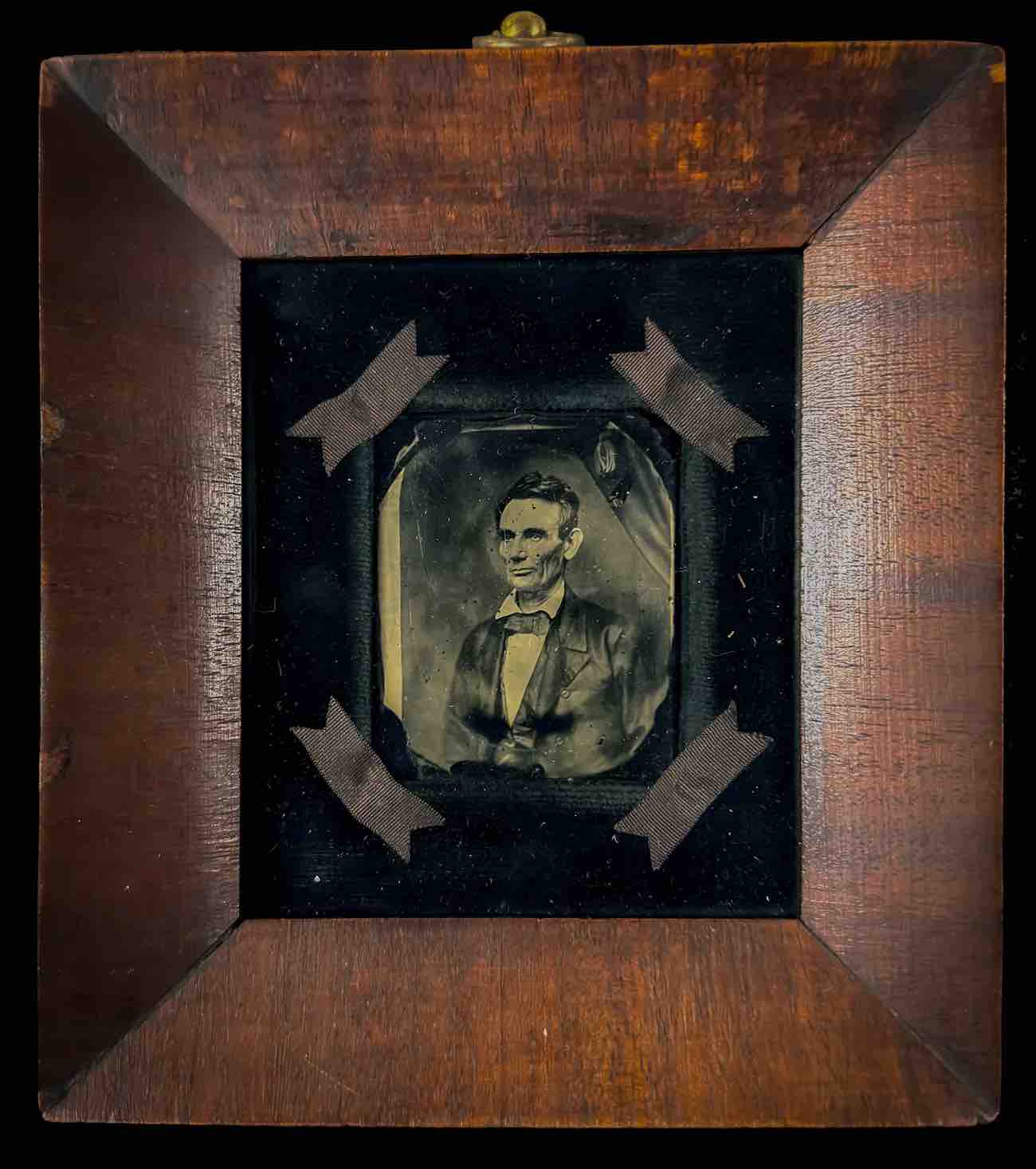
- A museum acquired a rare original ambrotype of Abraham Lincoln, taken in 1858 in the city where the museum is located.
- The source excerpt gives no price, seller or display date, so those details are unconfirmed.
- Unique physical photographs gain value from provenance in an era of copied and AI-generated images.
- Clear, factual pages with consistent entities (person, date, place) are more likely to be cited by search and AI tools.
- Photographers and brands should document provenance and publish dedicated, well-structured pages for notable items.
What happened
A museum has acquired a rare original ambrotype photograph of Abraham Lincoln. According to PetaPixel, the image was taken in 1858, and the museum is in the city where it was made.
That is all the source confirms. The excerpt does not give the purchase price, the seller, or when the public can see the piece, so I won't guess at them. The core facts are enough, though, to say something useful.
Why it matters beyond history
An ambrotype is a one-of-a-kind photographic object, not a print from a negative. There is no file to duplicate, so the value sits in the physical item and its history. In a world flooded with AI-generated and endlessly copied images, that scarcity is becoming more interesting, not less.
The second point is place. The photo returns to the city where it was made. That is a strong story hook because it ties a famous person, a specific date and a specific location together. Journalists, local media, teachers and tourism accounts can all pick up that kind of story easily.
The visibility angle
Stories like this succeed because they are easy to summarise: who, what, when, where. Search engines and AI assistants favour content with clear entities and clear relationships. Lincoln, 1858, ambrotype and the host city form a tidy cluster.
If you answer questions in Google, AI Overviews, ChatGPT or Perplexity, the sources that tend to be cited are those that state facts plainly and in one place. A museum that publishes a clear page about this acquisition, with the date, the process, the provenance and visiting details, is more likely to be referenced than one that relies on social posts alone.
What photographers should take from this
- Provenance is a feature. Where a photo was made, and who has held it since, is part of its value. Record this for your own work, especially prints and limited editions.
- Physical originals carry weight. Digital files are easy to copy. If you sell prints, label them with edition details, dates and authenticity notes.
- Context sells. A caption that explains the when and where gives an image more life than a file name ever will.
Practical actions for businesses and marketers
- Publish a dedicated page for any notable item, event or milestone. Include the date, location, a short factual summary and a clear image with descriptive alt text.
- Use structured data where it fits. Organisation, Event and Place markup helps machines connect your content to the right entities.
- Lean into local relevance. If your business has a genuine connection to a place, a person or a period, say so plainly. Do not stretch the link.
- Keep your facts consistent. Dates, names and spellings should match across your site, social profiles and listings. AI systems reward consistency.
- Pitch the story, not the product. The hook here is a return home, not a press release about an acquisition. Find the equivalent in your own news.
What to watch next
The source gives no detail on how the museum plans to present the ambrotype. How it handles that, whether through a digital archive, an exhibition page or educational material, will determine how widely the story travels online. Watch whether it publishes high-quality images and clear descriptions, because that decides whether the piece gets cited or just briefly noticed.
The lesson is not about Lincoln. Authentic, well-documented, locally rooted stories are easier to find, easier to trust and easier for AI tools to repeat accurately.
Raj's takeWhat I like here is the simplicity: a famous subject, a precise year and a return to the place where it all began. After 27 years in marketing, I still see the same pattern: specific, verifiable stories beat vague claims every time, and that is even more true now that AI tools decide what gets repeated.
Want this applied to your business?
Related
GoPro Mission 1 Pro Close-Up Filters Fix Focus Distance
GoPro and PolarPro have announced close-up filters in three strengths for the Mission 1 Pro and Mission 1. They target one of the cameras' most common complaints: poor close focus distance.