
GoPro Mission 1 Pro Close-Up Filters Fix Focus Distance
GoPro and PolarPro have announced close-up filters in three strengths for the Mission 1 Pro and Mission 1. They target one of the cameras' most common complaints: poor close focus distance.
Rajesh Kumar · 22 Oct 2026 · 3 min read
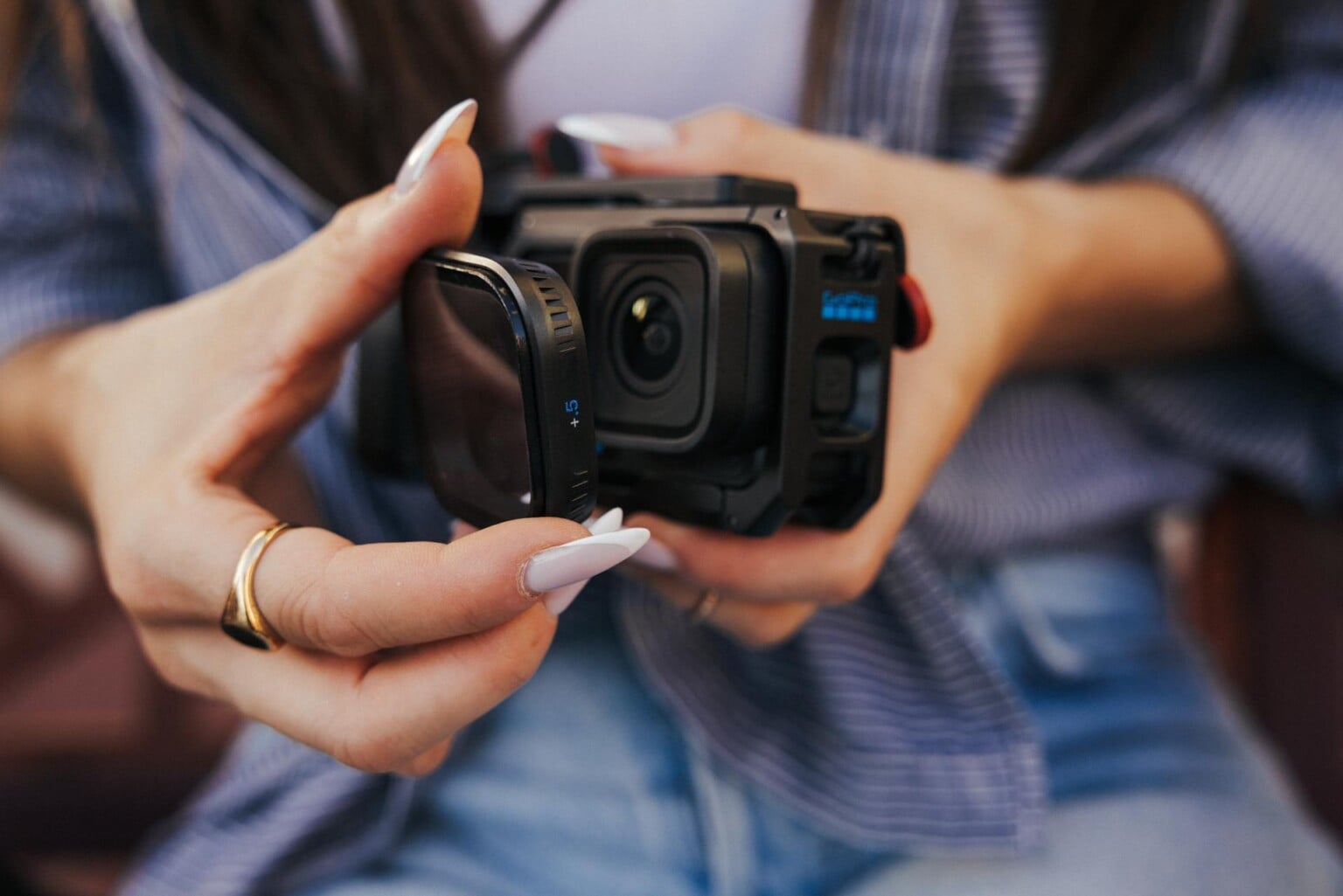
- GoPro and PolarPro announced close-up filters in three strengths for the Mission 1 Pro and Mission 1.
- The filters aim to fix the cameras' poor close focus distance, a widely noted complaint.
- The source gives no pricing, release date or detailed specs, so wait for independent reviews.
- Close-up detail shots can strengthen product pages, short-form video and original visual content.
- Test against your smartphone before buying anything new.
What happened
GoPro has announced a set of close-up filters for the Mission 1 Pro and Mission 1 cameras. They were developed with PolarPro, a company known for camera accessories. According to PetaPixel, the filters come in three strengths and are meant to fix one of the cameras' biggest complaints: they can't focus on subjects that are close to the lens.
That is all the source confirms. It does not give pricing, release dates, or technical specifications for the three strengths, so I won't guess at them.
Why it matters
An action camera that can't focus up close is limited. Small products, textures, food, jewellery, packaging details and hands-on demonstrations all depend on close focus. If the filters work as described, the Mission 1 line becomes more useful for work beyond wide, fast-moving footage.
For marketers and ecommerce owners, the interesting part is not the filter itself. It is the type of content it makes possible.
- Short-form video: Close-up detail shots perform well in product clips, unboxings and how-to content on social platforms.
- Product pages: Shoppers want to see stitching, materials, ports, labels and finish. Close detail answers questions before they become support tickets or returns.
- Search and AI visibility: Original images and video that show real product details give search engines and AI systems more to work with than generic stock photos. They also build trust with the people who click through.
The tool does not create the advantage. What counts is whether you publish original, specific visual evidence that competitors don't have.
What we don't know yet
A fix on paper is not a fix in practice. Before anyone changes their workflow, there are open questions:
- How sharp are the results at the edges of the frame?
- How does each of the three strengths change the working distance?
- How easy are the filters to attach and swap in the field?
- Do they cause problems with image quality, glare or vignetting?
Independent reviews and real sample footage will answer these better than an announcement can.
Practical actions
1. Don't rush to buy. If you already own a Mission 1 or Mission 1 Pro, wait for hands-on tests and check the pricing and availability before committing.
2. Audit your visual content gaps. Look at your top product pages and social posts. Where are close-up details missing? List the five shots customers would most want to see up close.
3. Test against what you already have. A modern smartphone often handles close-up work well. If the GoPro filters aren't clearly better for your use case, you don't need another tool. The advantage may be in durability, mounting options or the camera's form factor, but test that rather than assume it.
4. Plan a repeatable content format. If you do adopt the filters, build a simple series, such as 15-second detail clips for each product, rather than one-off experiments. Consistency is what builds an audience.
5. Label and describe your media properly. Close-up shots are only valuable for visibility if they are named, captioned and given descriptive alt text. Describe what the viewer actually sees, such as the material or the feature being shown.
The bigger picture
Hardware announcements like this are a reminder that content quality is often limited by small technical gaps. When an accessory removes one of those gaps, creators and small brands can produce more convincing visuals without a bigger budget. The brands that benefit will be the ones that already know which shots their customers need.
Raj's takeI like accessories that fix a real limitation rather than add a gimmick, and close focus is a real one for action cameras. But I'd wait for independent footage before spending anything. The real gain for business owners is original, detailed visuals of their products, and that matters whichever camera you use.
Want this applied to your business?
Related
Lincoln Ambrotype Returns Home: Lessons in Provenance
A museum has acquired a rare original ambrotype of Abraham Lincoln, made in 1858 in the same city where the museum sits. For marketers and photographers, the story is a case study in provenance, local relevance and authenticity.