
Laneige's Lip Mask Bar Shows Why Experience Sells Online
Laneige is opening a mix-and-match Lip Sleeping Mask station at its permanent Los Angeles store. For ecommerce brands, it's a case study in using physical retail to build trial, content and brand affinity.
Rajesh Kumar · 6 Nov 2026 · 3 min read
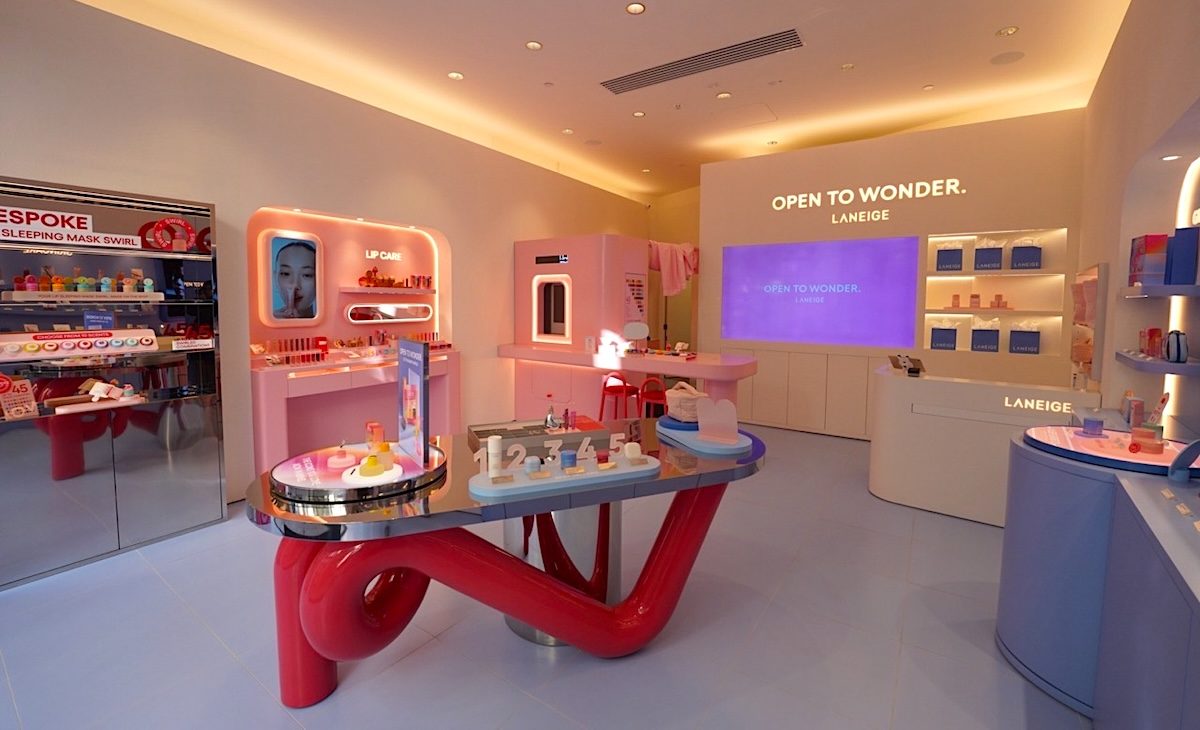
- Laneige launched a mix-and-match Lip Sleeping Mask station at its permanent Los Angeles store, with 45 flavor combinations at $32.
- The permanent store grew from a one-month container space in 2023 and a holiday pop-up in 2024 after strong engagement.
- The brand says trial leads to higher later conversion, so physical retail works as a trial engine.
- Creator meetups, classes and run clubs turn the store into a content and community hub.
- The source gives no sales or ROI figures, so results should be tested, not assumed.
What happened
Laneige, the Korean beauty brand best known for its lip masks and moisturizers, is bringing a new retail concept to the U.S. for the first time. At its permanent location at The Grove in Los Angeles, customers can mix and match flavors of the best-selling Lip Sleeping Mask to create a custom product. It first launched in Laneige's flagship store in Seoul this summer.
According to Modern Retail, shoppers can choose from 45 flavor combinations, including gummy bear and champagne plus special-edition flavors. The product is made on the spot in a machine and sells for $32. Customers can also add 3D-printed designs. The brand's VP of marketing compared it to an ice cream shop.
This time there are tweaks. While the mask is being mixed, customers can get a custom skin analysis and product recommendations. The 3D printing also extends to other products, including the Cream Skin Milky Toner and Neo Blurring Powder.
How it got here
The Grove store was not a big upfront bet. Laneige started in 2023 with a one-month spot in a shipping-container-style structure, then returned in 2024 with a three-month holiday pop-up. After what it called extreme engagement, it signed a long-term contract. It also ran a Sephora activation in seven U.S. cities, timed to events like Lollapalooza and the U.S. Open.
That is a classic test-learn-scale pattern, and it's worth noticing.
Why it matters beyond beauty
Laneige sells through its own website, Sephora and Amazon. Those channels are efficient, but they are crowded and comparison-driven. A physical experience gives the brand something marketplaces can't: personalization, education and a reason for people to talk about it.
The company's own logic is simple. Its research shows that once someone tries the product, they are much more likely to convert later. The store is a trial engine, not just a sales point.
There is also a content angle. Laneige uses the store for creator meetups, master classes, product sneak peeks and run and walk clubs. Each of those produces social content and word of mouth. That feeds branded search, social discovery and the kind of brand mentions that AI search tools may draw on when people ask what lip mask to buy. I'd treat that last part as a reasonable expectation, not something the source claims.
What this means for visibility
- Search: Custom products and in-store events create new things for people to search for, such as the experience itself, flavors and location.
- Social: A product made in front of you, with 3D-printed add-ons, is built to be filmed.
- Ecommerce: Trial in person lowers the barrier to buying later through Sephora, Amazon or the brand site.
Practical actions
1. Start small and temporary. Laneige began with a month-long space. You don't need a flagship. A market stall, a pop-up shelf in a partner store or a one-day event can show whether people engage.
2. Add personalization, even simple versions. Flavor, scent, size or engraving choices make a product more shareable. Think about what a low-cost custom option looks like in your category.
3. Pair the experience with education. Laneige's skin analysis and master classes give people a reason to stay longer than a free-sample stop. Explain why your product works, not just what it is.
4. Build a creator and community calendar. Regular small meetups beat one big launch. Keep a rhythm, collect content and credit the creators involved.
5. Tie offline to online. Tease the experience online before it opens, as Laneige did, and make sure your site, Google Business Profile and social pages reflect the location, hours and what's on offer.
6. Measure trial-to-purchase. Laneige's logic rests on trial leading to later conversion. Track repeat purchases or discount code use from event attendees so you can prove the same for your brand.
The caution
The source doesn't share sales results, foot traffic numbers or costs for the new station. We know there was demand in Seoul and strong engagement in Los Angeles, but not the financial return. Don't copy the format blindly. Copy the discipline of testing first.
Raj's takeWhat I like here is the patience: month-long test, three-month pop-up, then a long-term lease once the engagement was real. Most brands skip straight to the big launch. Experience works when it creates trial and content, and Laneige seems to understand that the store feeds the online funnel rather than replacing it.
Want this applied to your business?
Related
TikTok Shop Gets Its Own App in Southeast Asia
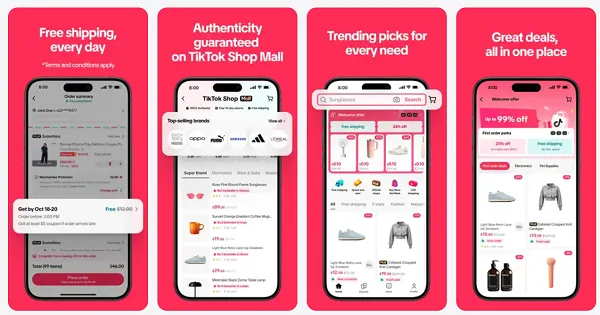
TikTok has launched a standalone TikTok Shop app in Singapore, Thailand, Malaysia and the Philippines. It is a bet that shoppers prefer a dedicated place to buy, not a video feed that sells.
Funding Full-Funnel Retail Media Across Three Budgets
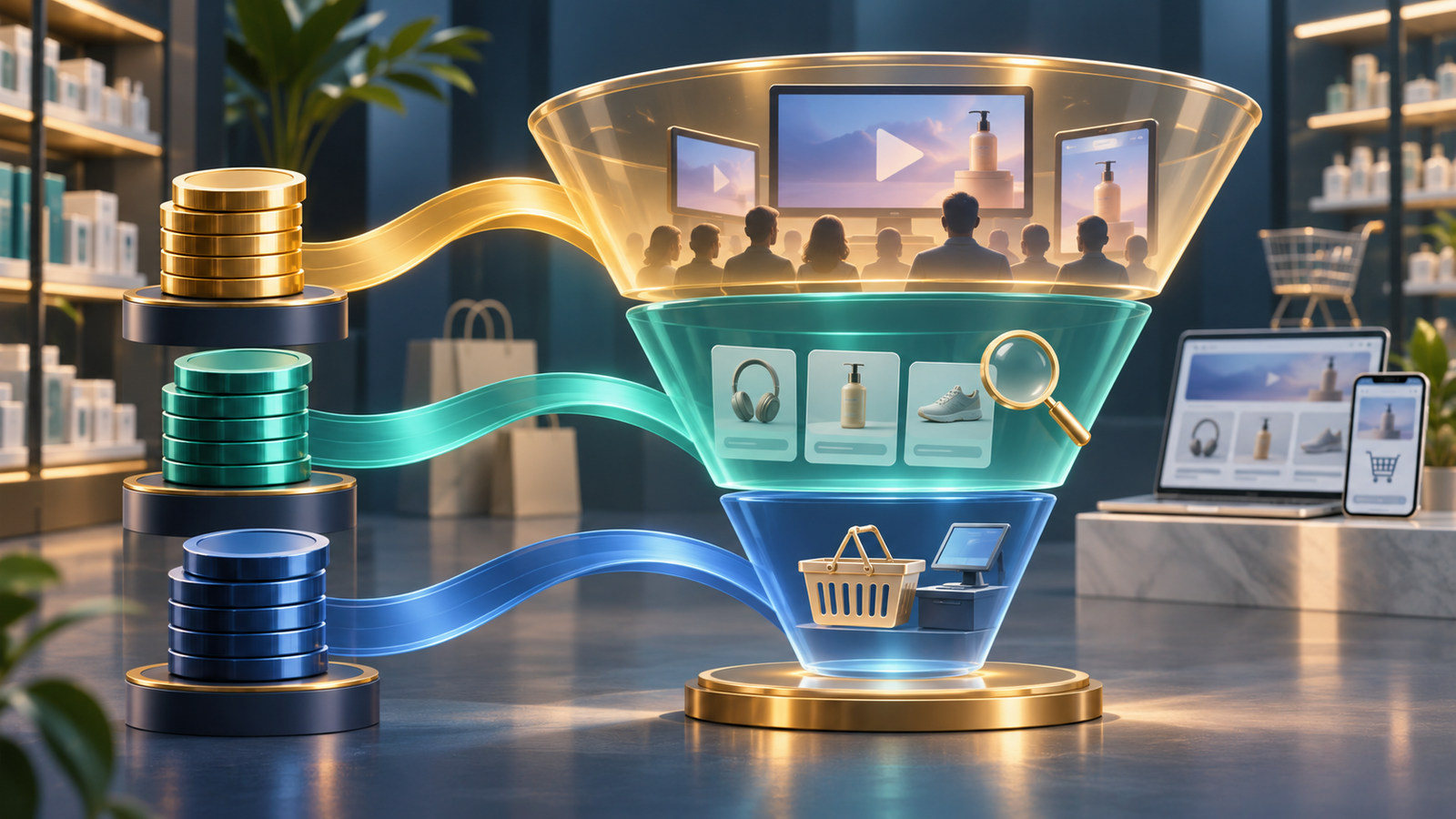
Retail media rarely belongs to one budget owner. A MarTech piece points to a practical problem: coordinating brand, paid media and retail media funding without losing team goals or hiding annual retailer commitments.
FTC Unseals Amazon Ads Surcharge Claims: What Sellers Should Do
Newly unredacted FTC filings allege Amazon quietly pushed ad prices up to 50% above auction results on normal days, and 250% during events like Prime Day. Amazon denies the claims, but the allegations matter for how you read past campaign data.