
AI Shopping Visibility: Fix Your Product Data First
A Search Engine Journal webinar recap shows AI shopping tools need product data that bots can retrieve, shoppers' language, and feeds that match pages. Here is what ecommerce teams can do now.
Rajesh Kumar · 3 Nov 2026 · 3 min read

- AI shopping tools need product information they can retrieve, understand and trust, not just an accepted feed.
- Check what crawlers receive in the HTML before investing in richer descriptions.
- Describe products around shopper decisions such as warmth, durability and use, supported by real attributes and reviews.
- Keep feeds, product pages and structured data consistent, with clear ownership across teams.
- Measure grid visibility, AI mentions and paid-feed results separately, and use a comparison group.
What happened
Search Engine Journal published a recap of a webinar on getting products found in Google and ChatGPT. The speakers were Chris Sachs and Aris Vrakas of seoClarity. Their message was practical: a product can have the right price, material and features and still not get recommended, because the AI tool has too little context.
The webinar did not wait for AI checkout to mature. It focused on four moves ecommerce teams can make now: make product pages readable, enrich content in shopper language, keep feeds and pages in sync, and measure what changed.
Why it matters
Most ecommerce teams think of feed approval as the finish line. The webinar argued it is only the starting point. The real challenge is making product information retrievable, relevant to shopper needs, and consistent wherever it appears.
That shifts the work. It is no longer just about ranking a page for a keyword. It is about whether an AI system can fetch your product details, understand what the product is for, and trust that the page, feed and structured data agree with each other.
Start with what bots can actually see
Vrakas raised a technical prerequisite that many teams skip. Shoppers may see full product details in a browser, while an automated fetch gets much less, especially on JavaScript-heavy pages. If core details are not in the HTML, better copy will not help, because the system never receives it.
He mentioned prerendering and cached HTML as options where rendering is the bottleneck. The sequence matters: fix access first, then invest in enrichment.
Write for the questions shoppers ask
The presenters used socks as an example. Color and fiber content are useful, but they do not answer questions about warmth, thickness, durability or intended use. Conversational prompts often combine several of those needs in one request.
The advice was to connect product attributes to the decisions shoppers are making, rather than leaving an AI model to guess the use case from a short spec. Attributable review evidence can also support claims about how a product performs. Even a broad request for a good product can lead an AI system to look at specific attributes, so generic descriptions leave gaps.
Close the loop between feed, page and schema
Sachs warned against treating the feed as a separate project owned elsewhere in the company. Details added to a feed should also inform the product page and its structured data. When a platform revisits a page, product identity, price and supporting details need to be clear and coherent.
In practice, this means SEO, merchandising, paid media and development working from one version of the product information instead of several disconnected ones.
Measure three things separately
The presenters split measurement into three areas:
- Product-grid visibility: how often priority products appear in shopping carousels for relevant queries.
- AI mentions and citations: whether answers name your product or cite your content, and how the brand is described.
- Paid-feed performance: impressions, clicks and conversions from feed-driven campaigns.
These are different signals. An AI mention alone does not prove a sale. On testing, Sachs said the best SEO teams obsess about it. Vrakas added that a before-and-after view is not enough on its own. Large catalogs can compare product groups, while smaller sites can improve content on one topic and compare it with topics left untouched.
What to do this month
- Check what bots retrieve from a small set of priority product pages.
- List the shopper questions those pages do not answer, and add details backed by real attributes or reviews.
- Confirm who owns the feed and how approved changes reach pages and structured data.
- Record separate baselines for grid visibility, AI mentions and citations, and paid-feed results.
- Pick one defined change and an unchanged comparison group before scaling.
Keep the first review small. Ten products with clean data and a proper control group will teach you more than a catalog-wide rewrite you cannot measure.
Raj's takeThis is the unglamorous side of AI search, and it is where most stores will win or lose. I see teams chase prompts and tools while their product pages still hide key details behind JavaScript or contradict their own feed. Fix the data foundation, test on a small set, and keep a control group so you know what actually worked.
Want this applied to your business?
Related

Alexa for Shopping Hits 400M Users: What Sellers Must Do Now
Amazon says over 400 million customers used Alexa for Shopping in the past 12 months, and those users spend 50% more. For brands, the AI shopping assistant is becoming a new storefront layer inside a walled garden.

Three AI Models, Same 20 Products, Three Different Winners
A test of three Claude models shopping Shopify's catalog found they never agreed on a top pick. For merchants, which store wins an AI-driven order may depend on the model the shopper's agent runs on.
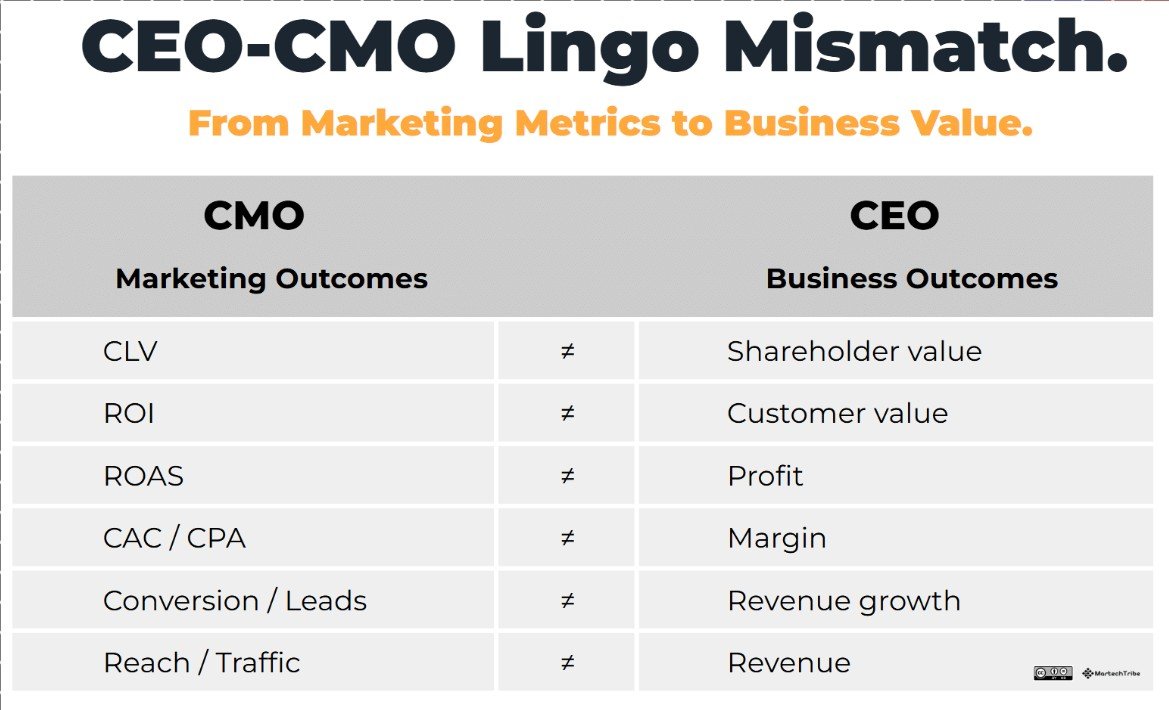
Your CEO Wants Profit Answers, Not Dashboard Metrics
MarTech highlights a familiar gap: dashboards report what happened in a campaign, while leadership wants to know how customer behavior drives growth, margin and profit. Here is how to close that gap.