
Off-Page SEO Strategies: Building Authority and Backlinks
What is Off-Page SEO? Off-page SEO refers to all the activities you do outside your website to improve its search engine rankings. This includes strategies that help create backlinks, build brand awareness, and enhance online reputation. Unlike on-page SEO, which focuses on optimizing elements within your site, off-page SEO aims to increase your site's authority […]
Rajesh Kumar · 18 May 2024 · 2 min read
What is Off-Page SEO?
Off-page SEO refers to all the activities you do outside your website to improve its search engine rankings. This includes strategies that help create backlinks, build brand awareness, and enhance online reputation. Unlike on-page SEO, which focuses on optimizing elements within your site, off-page SEO aims to increase your site’s authority and trustworthiness through external efforts.
The Importance of Backlinks
Backlinks, also known as inbound links, are links from other websites to your site. They are crucial for several reasons:
- Search Engine Rankings: Search engines like Google use backlinks as a signal of a site’s authority and relevance. High-quality backlinks from reputable sites can significantly improve your search rankings.
- Referral Traffic: Backlinks can drive referral traffic to your site from users who click on the links.
- Credibility and Trust: Having backlinks from authoritative sites can enhance your website’s credibility and trustworthiness in the eyes of both search engines and users.
Strategies for Building High-Quality Backlinks
- Guest Blogging: Write high-quality, informative articles for other blogs in your niche. This helps you reach a broader audience and earn backlinks to your site.
- Influencer Outreach: Collaborate with influencers in your industry who can share your content with their followers, generating backlinks and increasing visibility.
- Content Marketing: Create valuable, shareable content such as infographics, videos, and comprehensive guides. High-quality content is more likely to be linked to by other sites.
- Broken Link Building: Identify broken links on other websites and offer your content as a replacement. This helps the site owner fix their links while earning you a backlink.
Social Signals and Online Reputation Management
- Social Signals: These are activities on social media platforms that indicate the popularity and relevance of your content. Likes, shares, comments, and mentions on social media can indirectly influence your SEO by driving traffic and increasing visibility.
- Online Reputation Management: Actively managing and improving your online reputation involves monitoring reviews, responding to customer feedback, and maintaining a positive presence across online platforms. A strong reputation can lead to more backlinks and social signals.
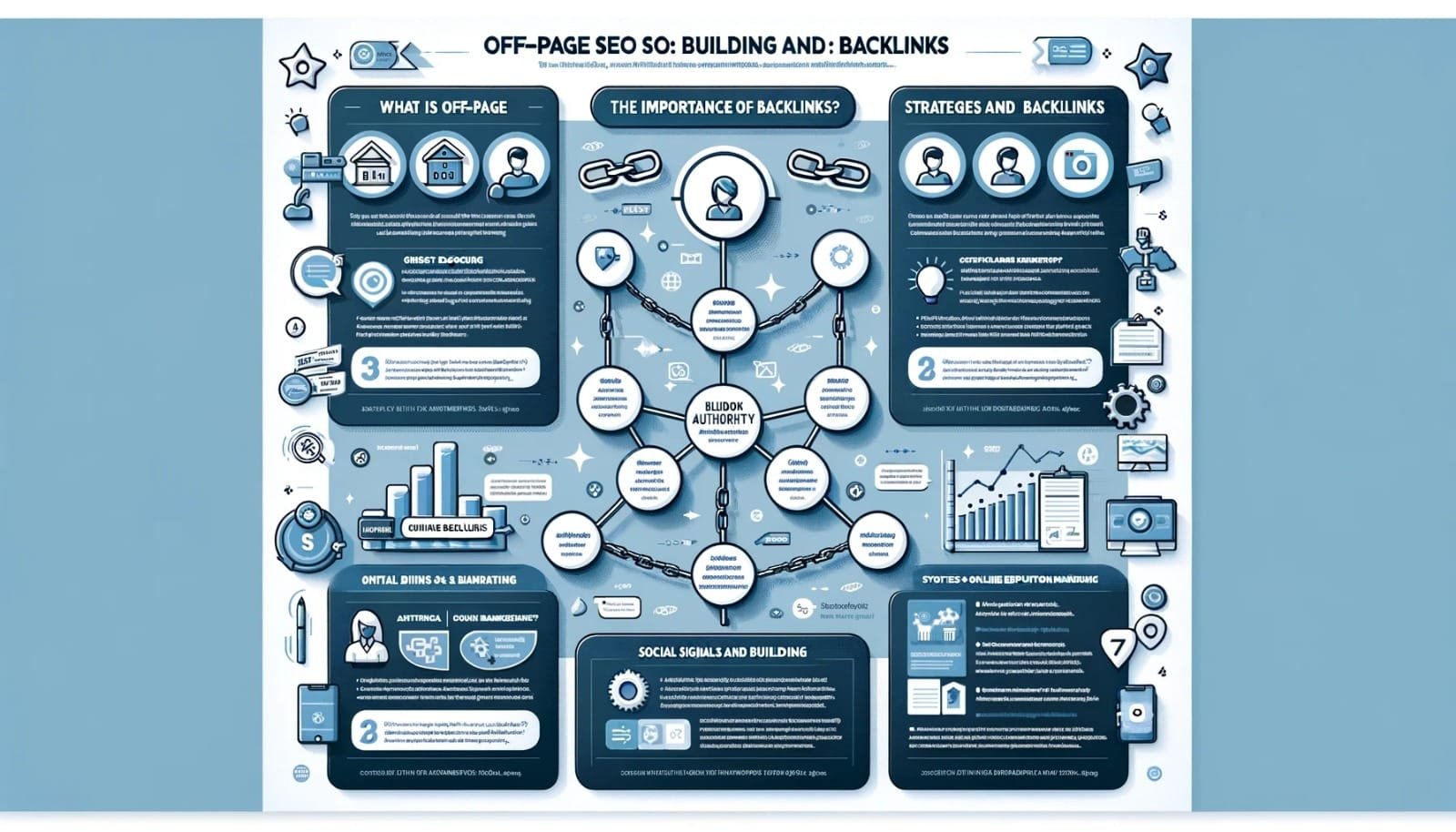
Here’s an infographic to visualize these concepts:

By implementing these off-page SEO strategies, you can enhance your website’s authority, attract more traffic, and achieve better search engine rankings. Happy optimizing!
For Digital Media Marketing, contact Rajesh Kumar (RAJ) via email raj@mediumseagreen-spoonbill-273621.hostingersite.com, Instagram @marketing.by.raj, or WhatsApp at +91 9986361699
Want this applied to your business?
Related

AI Is Making Marketing Centralization Harder to Get Right
A MarTech piece frames the classic tension: shared teams bring scale and control, local teams bring speed and flexibility. AI makes deciding where each capability belongs more urgent for every business.

AI Agents and CX: Meeting Customer Expectations Wisely
MarTech argues AI agents could help brands meet today's demanding customer expectations, but only if they're used wisely. Here is what that means for ecommerce and marketing teams in practice.

AI Writes Faster, But Campaigns Still Ship Slowly
MarTech argues that faster AI drafts don't automatically produce faster campaigns. The real ROI comes from fixing approval bottlenecks, giving teams decision rights and measuring the gains.