
Creators Own the Year, but Celebrities Still Win Christmas
Brands have poured budget into creators all year, yet the first festive campaigns still lean on famous faces. The gap is closing, and hybrid celebrity-creator campaigns look like the next step.
Rajesh Kumar · 6 Nov 2026 · 3 min read

- Major Christmas campaigns from Sephora, Kay, Gucci and Tesco still rely on celebrities, despite heavy creator investment all year.
- Celebrities offer borrowed fame and lower risk for mass-market moments, according to Kantar's Lynne Deason.
- Tesco's ad led UK conversation but only 51% of mentions were positive, showing fame does not guarantee approval.
- SharkNinja and Anthropologie show hybrid approaches, with celebrity teasers and creator-led storytelling.
- Lego's new talent role treats celebrities and creators as one category.
What happened
Creators have had a big year in marketing, but the first batch of Christmas campaigns tells a different story. According to a Digiday briefing, John Lewis, SharkNinja, Ulta Beauty, Burberry and others are sticking with the established festive playbook. That means a big film, a broad audience and a famous face.
Sephora has Seth Rogen. Kay has Colin Jost. Gucci has Mariah Carey. Sports Direct teamed up with Nike athletes, and Tesco used comedian Roisin Conaty and actor Anna Maxwell Martin.
There are signs of change. SharkNinja had Kevin Hart, David Beckham and others tease its campaign on their own social accounts before the main spot launched. Anthropologie handed its holiday campaign to comedian and creator Pooja Tripathi, who wrote and ran a micro comedy series, with about 50 more creators spreading it across Instagram, TikTok, YouTube, Pinterest and Reddit.
Why celebrities still win December
Kantar's Lynne Deason describes celebrities as borrowed fame. Christmas is a mass-market moment, so brands want someone everyone recognises rather than someone who speaks to one niche.
There is also a risk argument. Christmas ads are the most scrutinised work a brand releases, with the biggest budget and the most senior sign-off. John Lewis's spot was attacked online within a day, yet its star escaped unscathed. For a nervous CMO, a famous face is insurance.
Most creators are household names within a niche, not across a whole family on the sofa. That is the practical barrier, not any lack of talent or reach.
Fame is not the same as approval
Tesco's ad is currently the most talked-about commercial in the UK, according to Sprout Social. It has 3,263 mentions and over 36,000 interactions, yet only 51% of conversations were positive. Viewers felt the premise was unrealistic.
Two famous actors got the country talking, but conversation volume and brand sentiment are different things. Celebrity buys attention, not agreement.
The blurring line
SharkNinja's Laura Dyer calls the line between celebrities and creators "super fluid". Celebrities now film their own content and speak directly to fans, and top creators pull audiences many TV names would envy.
Lego is a good signal. It created a head of celebrity talent and brand-first partnerships role and hired Kelsey Gray Sherman from WME. She says the distinction between traditional celebrity and creator is increasingly less meaningful to audiences, and that creators are absolutely included.
What this means for your business
Most of us do not have a Mariah Carey budget. The useful lesson is about structure, not scale.
- Separate your seasonal moments. Use creators for always-on and niche-led work. Be cautious with them in peak mass-market windows unless the creator genuinely has broad recognition.
- Seed before you launch. SharkNinja's teaser approach is repeatable at smaller scale. Have your talent or creators post short teasers days ahead so the main content lands with an audience already primed.
- Pick partners by audience fit. Choose people whose followers are your customers, whether they came from TV or a phone screen.
- Split by story. Anthropologie decides story by story what goes to creators and what stays with the brand. Keep brand-critical messaging in-house and let creators handle formats they do better, such as episodic content.
- Measure sentiment, not just volume. Track the tone of comments and the reasons behind negative reactions, not only reach and engagement.
- Spread across platforms. Creator content works best when adapted for each channel rather than copied across them.
The visibility angle
Creator-led and celebrity-teaser content creates more searchable moments: names, campaign titles and reactions people look up afterwards. Make sure your product pages, campaign pages and social profiles are ready to catch that demand, because people who see a campaign often search for it on Google or ask an AI assistant about it.
Bottom line
Celebrities remain the safe choice for Christmas, but the safety is built on familiarity, not on better results. Expect the next few years to bring more campaigns that combine both, with the lead going to whoever has the most devoted following.
Raj's takeI'd not read this as creators failing at Christmas. It's CMOs protecting themselves in the highest-pressure week of the year. For smaller brands, the opportunity is the reverse: you can use niche creators to win attention where big brands are playing it safe, as long as you measure sentiment and not just reach.
Want this applied to your business?
Related
Meta API Update: AI Labels, Device Targeting Defaults
Meta has changed its Graph and Marketing APIs, letting apps add or remove AI self-disclosures, expanding device targeting by default and deprecating a video metric. Anyone running Meta ads through third-party tools should check their settings.

Instagram's 90-Minute Videos: Reach Without a Revenue Plan
Instagram now allows videos up to 90 minutes, but it has no long-form monetization model yet. Creators and agencies are split on whether discovery alone is worth the effort.
Reddit Tests Ads in Search Results: What Marketers Should Know
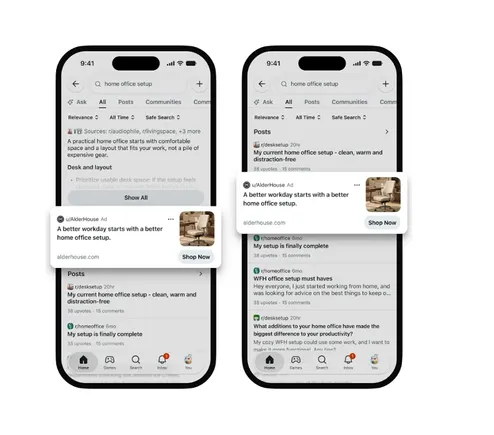
Reddit is testing query-targeted ads inside its in-app search, just as its search referral traffic falls. For brands, it is a signal that Reddit wants to be a product discovery platform, not only a source for Google and AI chatbots.